Solar Panel Cost Estimator: Get Your 2024 Installation Quote
Our advanced solar panel cost estimator provides detailed 2024 pricing for installation costs, energy savings, ROI analysis, and payback period calculations. Get your personalized solar estimate in just 2 minutes.
Solar Panel Cost Estimator: Get Your Instant 2024 Quote
Use our solar panel cost estimator below to calculate your installation expenses, potential savings, and return on investment. This advanced solar panel cost estimator tool factors in your location, roof size, energy consumption, and current incentives to provide the most accurate estimate possible.
Cost Breakdown
Estimated Savings
How Our Solar Panel Cost Estimator Works
Our solar panel cost estimator uses advanced algorithms and current market data from authoritative sources to provide accurate estimates. We analyze multiple factors including:
Property Details
Roof size, orientation, shading, and structural considerations that impact solar panel installation costs. According to the National Renewable Energy Laboratory (NREL), proper site assessment is crucial for accurate cost estimation.
Energy Consumption
Your current electricity usage patterns to determine optimal system size and potential savings. The U.S. Energy Information Administration provides data on average household energy consumption for reference.
Geographic Factors
Local sunlight hours, climate conditions, and regional installation costs that affect solar panel pricing. Data from the U.S. Department of Energy informs our geographic adjustments.
Incentives & Rebates
Federal tax credits, state incentives, and local utility rebates that reduce your net solar panel cost. The Database of State Incentives for Renewables & Efficiency (DSIRE) is our primary source for incentive data.
Understanding Solar Panel Cost Breakdown
When using a solar panel cost estimator, it's important to understand what contributes to the total price. Here's a typical breakdown of solar installation expenses:
Equipment Costs (40-50%)
- Solar panels themselves
- Inverters (string or microinverters)
- Mounting hardware and racking
- Wiring and electrical components
Installation Costs (15-25%)
- Labor and professional installation
- Permitting and inspection fees
- Engineering and design work
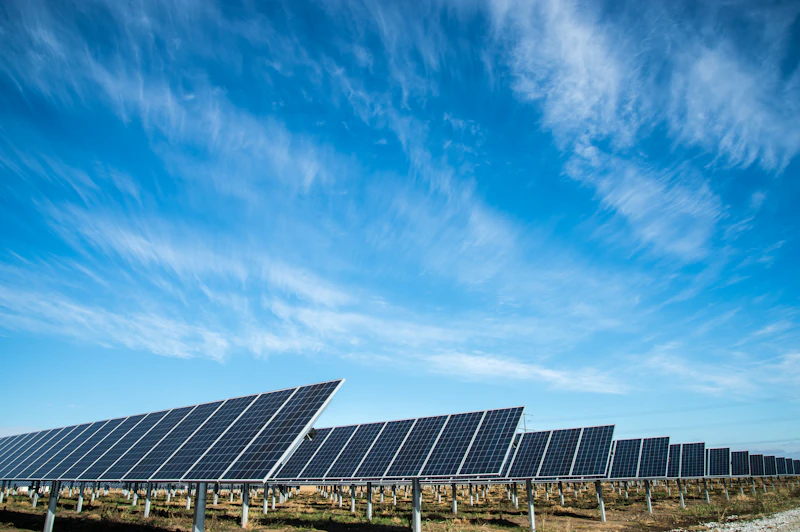
Professional solar panel installation ensures optimal performance and safety.
Key Factors Affecting Solar Panel Costs
1. System Size and Energy Needs
The most significant factor in your solar panel cost is system size. Larger systems generate more electricity but cost more upfront. Our solar panel cost estimator helps you find the optimal size based on your energy consumption.
2. Panel Type and Efficiency
Monocrystalline panels (highest efficiency) cost more than polycrystalline panels but produce more energy per square foot. Thin-film panels are less efficient but can be more cost-effective for large commercial installations.
3. Installation Complexity
Roof type, angle, accessibility, and structural requirements can significantly impact installation costs. Ground-mounted systems typically cost 10-20% more than roof-mounted systems.
4. Geographic Location
Labor costs, permitting requirements, and local market competition vary by region. The Solar Energy Industries Association (SEIA) tracks state-level solar policies and costs.

Solar Savings & ROI Analysis
When evaluating solar panel costs with our solar panel cost estimator, it's crucial to consider the long-term savings and return on investment (ROI).
Immediate Savings
Most homeowners see a 50-90% reduction in their electricity bills immediately after installation. The exact savings depend on your location, system size, and energy consumption patterns.
Long-Term Value
Solar panels typically pay for themselves within 6-12 years and continue producing electricity for 25+ years. This means 13-19 years of essentially free electricity after the payback period.
Property Value Increase
According to Zillow research, homes with solar panels sell for 4.1% more on average than comparable homes without solar.
Protection Against Rate Hikes
Electricity rates have historically increased by 2-3% annually. Solar panels lock in your energy costs at today's rates, protecting you from future increases.
Solar Incentives & Tax Credits That Reduce Costs
Government incentives can significantly reduce your solar panel costs. Our solar panel cost estimator automatically factors in available incentives based on your location:
Federal Investment Tax Credit (ITC)
The federal solar tax credit allows you to deduct 30% of your solar installation costs from your federal taxes through 2032. This credit applies to both residential and commercial systems.
State & Local Incentives
Many states offer additional rebates, tax credits, or performance-based incentives. For example, New York offers a state tax credit up to $5,000, while California has various rebate programs.
Utility Company Rebates
Some utility companies offer cash rebates for installing solar panels to reduce grid demand during peak hours.
Net Metering Programs
Most states require utilities to offer net metering, which credits you for excess electricity your solar panels send to the grid. This can effectively eliminate your electricity bill.
Video Guide: How to Use a Solar Panel Cost Estimator
This video tutorial demonstrates how to effectively use our solar panel cost estimator tool to get accurate installation quotes and savings projections for your solar project.
Frequently Asked Questions About Solar Panel Cost Estimators
Ready to Estimate Your Solar Panel Costs?
Use our solar panel cost estimator at the top of this page to get your personalized quote in just 2 minutes.
Back to Estimator